


I have put in years seeing players pursue jackpots on slot machines and work through blackjack hands, but nothing changes the energy of a gaming session the way a tournament leaderboard https://aureonscasino.com. The first time I entered a casino tournament, I thought it was just a gimmick intended to push me to play faster. I was wrong. A well-structured tournament converts solitary play into a shared competition where strategy, timing, and bankroll management suddenly matter in ways they never do during casual play. At Aureon Casino, the tournament calendar has evolved into the backbone of the community experience, and I aim to walk you through what truly takes place behind the countdown timers and prize pool announcements. This is not at all a glossy brochure description. This is the real mechanics, the behavioral snags, and the practical steps that separate players who burn through their entry fee from those who regularly reach the payout positions.
How Scoring Systems Determine Your Entire Game Plan
The scoring structure is the single most important factor in any tournament lobby, and I am consistently surprised by how many players skip checking it entirely. Most slot tournaments use a points-based model where your score is your total win amount divided by your total bet amount, multiplied by a fixed coefficient. This ratio-based approach eliminates the benefit of betting larger amounts, which means a player wagering at one dollar per round can outrank someone spinning at ten dollars if their luck runs hotter. Other tournaments use a pure win-amount leaderboard where your score is simply the sum of all payouts received during the tournament session. In a win-amount format, maximum bet size becomes a strategic variable because larger wagers produce larger absolute wins, but they also drain your balance faster if the bonus rounds do not activate.
I adjust my complete method according to what scoring type governs the event. In ratio-based tournaments, I emphasize speed above bet size. The goal is to complete as countless spins as possible within the time limit as each spin offers an independent chance to land a multiplier that boosts the ratio. I set the game to its fastest animation speed, turn off sound effects to reduce cognitive load, and use the spacebar or autoplay function to maintain a relentless pace. In win-amount tournaments, I take the opposite approach. I slow down, increase my bet size to a point where a single bonus round can meaningfully influence my total, and accept that I will perform fewer spins overall. The logic is simple: one five-hundred-times-bet win at a higher stake amounts more to a win-amount leaderboard than twenty small wins at a lower stake. Neither approach guarantees a result, but aligning your bet sizing with the scoring math eliminates the frustration of finding mid-tournament that you tailored for the wrong metric.
Schedule Management During Live Tournament Sessions
Tournament events at Aureon Casino typically extend between ten minutes and several hours, and how you use the clock often dictates your final rank more than the symbols that hit the reels. I treat the first third of any timed session as a information-collecting phase. I watch how often the game triggers its bonus feature, how variable the base-game returns feel, and whether the leaderboard is climbing fast or stagnating. If I am twenty minutes into a one-hour tournament and my score has not entered the top thirty percent of the field, I know I need to raise my risk exposure. This might involve raising my bet size in a win-amount format or switching from manual spins to rapid autoplay in a ratio format. The middle third of the session is where I focus to whatever adjustment the early data suggests. The final third is purely about holding or attacking a position, and the line between those two modes is critical.
Protecting a position means you are presently in a payout rank and want to maintain it. Your primary threat is not the players ahead of you but the cluster of players behind you who are also keeping an eye on the time and gearing up for a final rush. I hold by keeping steady volume without taking unnecessary risks. Assaulting a position means you are outside the payout zone and need to make up ground. This is when I think about moving to a higher-volatility bet pattern or, in games that allow it, changing the number of paylines to create a more aggressive risk profile. The psychological trap here is alarm. Players who assault from the rear often harm their own chances by forsaking their entire plan and betting erratically. The leaderboard changes with a brief pause on most platforms, so the rank you see might be thirty seconds old. Consider that lag when deciding, especially in the final two minutes.
The Game Categories That Dominate Tournament Play
Slot tournaments make up approximately 80% of all casino tournament offerings, and the reason is structural. Slots produce distinct, quantifiable results on each spin, making them perfect for automated scoring systems that need to process thousands of pieces of data per second across a large player field. The most frequent slot tournament setup at Aureon Casino utilizes a specific game instance where every participant use the same title, often a high-volatility video slot with a key free-spins feature. High volatility is no accident. Competition organizers select volatile games because they produce greater score variance, which produces more dramatic leaderboard movement and keeps the competition exciting until the last seconds. A low-variance game would concentrate the majority of players around a restricted score range, causing the final standings to feel random and disappointing.
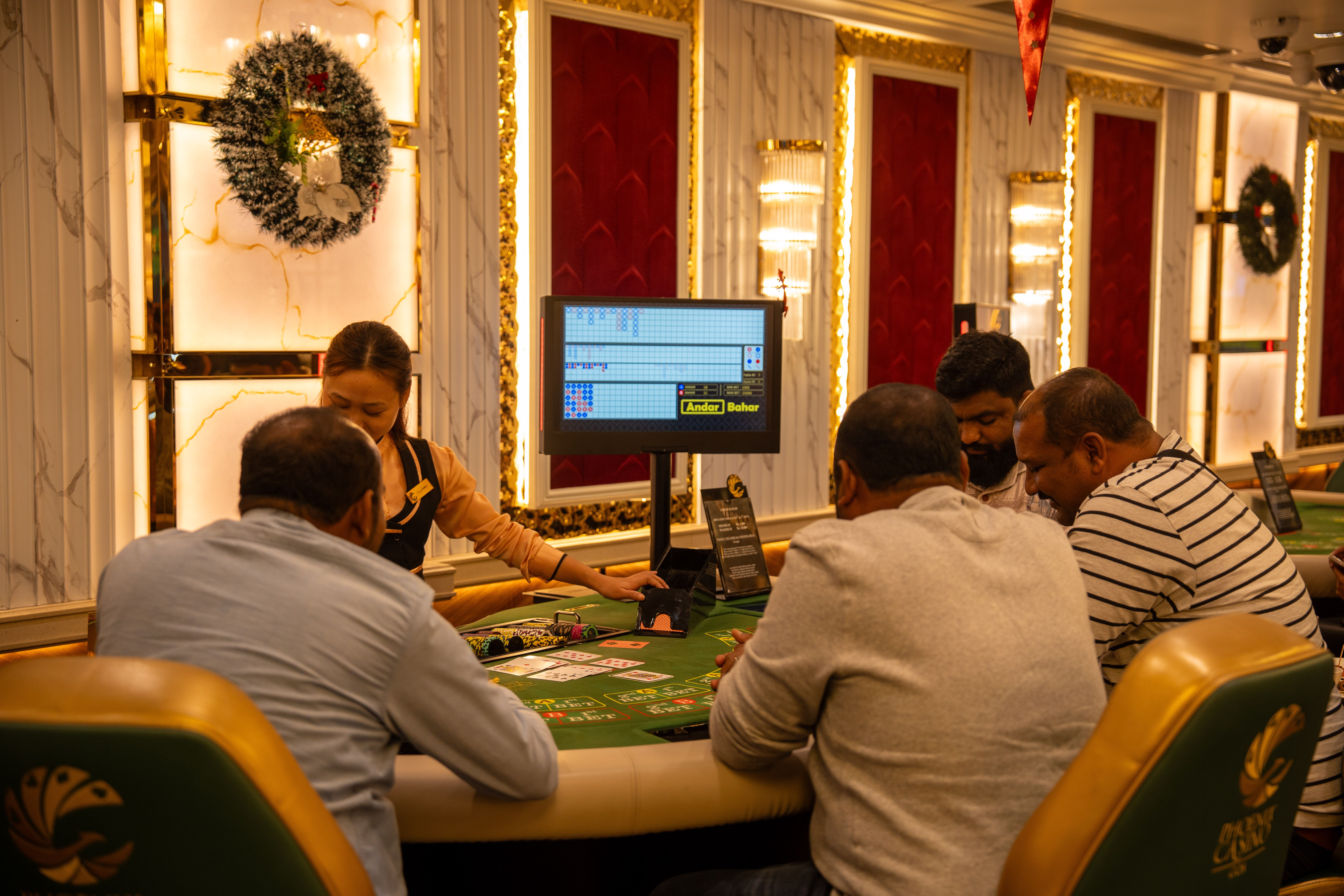
Card tournaments hold a more compact but extremely dedicated niche. Blackjack tournaments constitute the classic format, and they work on basically distinct principles than slot events. In a blackjack tournament, you do not simply accumulating a score separately. You make betting and playing decisions in direct relation to the chip counts of your opponents. If the player ahead of you has a dominant advantage, you might need to double down on hands you typically hit, or split pairs you typically stand on, because a normal success will not catch up. Some blackjack tournaments are held in elimination rounds where the least chipped player at each table is taken out after a set number of hands. Survival becomes the main goal, and chip preservation commonly exceeds chip accumulation. I have observed conservative players advance deep into elimination tournaments solely by betting the minimum and enabling aggressive opponents ruin themselves on risky doubles.
Live Dealer Tournament Integration
Aureon Casino has invested in live dealer tournament infrastructure, and this combined format merits its own discussion because the experience differs materially from both pure RNG tournaments and physical casino events. In a live dealer tournament, you watch a real croupier distribute cards or rotate a roulette wheel via high-definition stream while your bets and scores are processed through a digital interface. The dealer cannot see your individual actions, but the shared visual experience produces a sense of collective participation that software-only tournaments lack. The pace is more leisurely than an RNG tournament because the dealer must physically handle cards or wait for roulette bets to close, and this changes the time-pressure dynamic. You have fewer choices per minute, which means each decision holds more weight.
The technical requirements for live dealer tournaments should also be mentioned. A reliable net connection is non-negotiable since an interruption during a live session usually results in your seat being forfeited or your remaining time running out while you rush to reconnect. I always test my connection stability using a regular live dealer table before entering a paid tournament. If the stream buffers more than once in five minutes, I change to a mobile data connection or postpone my participation. The platform at Aureon Casino allows live tournament play across desktop and mobile devices, but I have found that a larger screen provides a genuine advantage in live blackjack tournaments where you need to monitor multiple opponent chip stacks simultaneously. The mobile interface functions perfectly for roulette tournaments where the information density is lower.
What Distinguishes a Real Tournament From a Marketing Gimmick
I have to address this from the start because the online space is filled with campaigns that use the word tournament but deliver no part of the competition framework that gives the format value. A genuine casino tournament has three non-negotiable features: a set entry requirement, a transparent scoring system that adjusts in real time, and a prize pool allocated according to ending position rather than random draw. When I spot a promotion described as a tournament where prizes are awarded through a lottery after the event ends, I know I am looking at a disguised raffle. The distinction matters because your strategy should change drastically. In a real tournament, every spin or hand adds to a total score that you can track against other players. In a fake one, you are simply buying lottery tickets at an higher cost per ticket. At Aureon Casino, the tournament lobby displays live leaderboards with player positions updating every few seconds, and the ranking system is revealed before you place your first wager.

The next marker I consistently verify is whether the tournament utilizes dedicated game instances or merely draws data from regular play. Dedicated tournaments launch a separate game client whereby all participants engage in the same title with identical return-to-player configurations, and the session begins and ends at a precise time. This produces a level playing field where your result depends entirely on how you manage the allocated spins or hands within the time window. Mixed-play tournaments, whereby the system ranks players based on their normal casino activity over a promotional period, are fundamentally dissimilar. They incentivize volume and often benefit players with larger budgets who can sustain longer sessions. Neither type is inherently flawed, but I have seen too many players join a mixed-play event looking for a sprint and realizing halfway through that they are vying in a marathon against opponents with deeper resources. Check the tournament rules section labeled scoring mechanism before you click join.
Entry Fee Structures and What They Signal
Tournament registration costs tell me more about the event than the prize pool headline would ever suggest. Freeroll tournaments with free registration usually draw the largest fields, at times thousands of players, which means you require an incredible run of luck to make it to the top twenty positions. The prize structure in freerolls tends to be highly top-heavy, with the winner taking a excessive share and spots outside the top fifty receiving token amounts or bonus credits with steep wagering requirements. Buy-in tournaments with entry fees varying from a few dollars to several hundred create a natural filter. The field number shrinks, the typical participant considers the competition more seriously, and the prize curve generally spreads rewards further into the rankings. I have found that mid-stakes buy-in events, roughly ten to fifty dollars, offer the best balance between achievable field sizes and significant returns on a top-ten finish.
Some platforms, including Aureon Casino, also host satellite tournaments where the prize is not cash but a ticket to a higher-stakes event. Satellites are where I see the most strategic mistakes from recreational players. The goal in a satellite is not to finish first. It is to finish in any position that awards a ticket. If a satellite pays tickets to the top five finishers and you are sitting in third place with ten minutes remaining, your optimal strategy is to reduce variance, not chase the leader. I have watched players throw away guaranteed qualification by continuing to bet aggressively when a conservative tactic would have locked in the prize. The math of satellite play is counterintuitive because we are conditioned to chase the top spot, but the payout structure flatlines for all qualifying positions. Approach satellites as a completely separate game from standard prize-pool tournaments.
How to Interpret a Tournament Lobby Like an Experienced Player
The tournament lobby at Aureon Casino presents a great deal of information at once, and I have developed a structured method of scanning it that cuts time and avoids costly misunderstandings. I start with the tournament type label, which should clearly state whether the event is a slots tournament, blackjack tournament, roulette tournament, or a mixed-game competition. Next, I examine the entry fee and compare it to the guaranteed prize pool. A guaranteed pool means the operator funds the full advertised amount regardless of how many players enter. A non-guaranteed pool adjusts with participation and may fall short of the headline figure if turnout is low. Guaranteed tournaments provide better value on average because the operator covers the shortfall risk, and I give them priority when building my weekly tournament schedule.
Another element I examine is the entry timeframe and late registration policy. Some tournaments stop sign-ups when the event starts. Others permit late entry for a set period, often with a lower starting chip stack or diminished remaining spins. Late registration changes the competitive dynamics because late entrants know the score they need to beat and can fine-tune their aggression accordingly, but they also have less time to accumulate points. I generally skip late registration in slot tournaments because the lower spin count is a mathematical disadvantage that the information advantage rarely overcomes. In blackjack tournaments, late registration can be feasible if the format enables you to observe opponent tendencies before investing your chips. The final lobby element I check is the prize distribution table, which I have already discussed in detail but is worth reiterating as the most crucial factor in deciding whether a tournament matches my objectives.
Tournament lobbies also show the amount of currently registered players and, once the event commences, the live leaderboard with player aliases and scores. I employ the registration count to estimate the final field size and adapt my expectations accordingly. An event with fifty registered players thirty minutes before start time will likely conclude with eighty to one hundred and twenty entrants after the last-minute rush. A tournament with single-digit registration at the same point may have difficulty to reach a competitive field size, which can work in your favor if the prize pool is guaranteed. The leaderboard itself is a tactical tool during play, not just a scoreboard. I observe for sudden jumps in the top ten positions, which usually signal that a player has triggered a bonus round or hit a high-multiplier symbol combination. These jumps tell me what kind of score is achievable in the remaining time and whether I require to adjust my own risk level to compete.
The truth about casino tournaments is that they reward preparation far more than luck, even though luck decides the symbols that land on any given spin. The players who consistently end up winning are the ones who study the scoring rules, adjust their bet sizing with the format, manage their time in distinct phases, and select events where the prize structure aligns with their risk tolerance. I have watched the tournament scene at Aureon Casino grow from a handful of weekly slots events into a diverse calendar spanning multiple game categories, buy-in levels, and formats. The infrastructure is solid, the leaderboards update honestly, and the prize pools are distributed according to the published schedules. What remains is the human element, your ability to approach each tournament with a clear plan and the discipline to follow through on it when the clock is ticking and the leaderboard is shifting. That is the part no software can automate, and it is the reason tournament play remains the most intellectually engaging corner of the online casino world.
Řízení bankrollu Přímo pro Tournament Players
Turnajový bankroll management operates on odlišných principu než standard casino bankroll management, a conflating obojí has cost me finance in mých early letech of competitive play. In regular casino play, váš bankroll určuje, how long můžeš sustain a session i how much variance můžeš absorb before your funds deplete. In tournament play, tvůj entry fee is a sunk cost the moment, the timer starts. You nelze vybrat ho, you nelze zastavit čas, and you nelze omezit tvoji exposure by betting smaller amounts once, the session začala aniž by also reducing tvoji chance of reaching a payout position. Tento means the pre-tournament bankroll decision is jediné, které má význam pro risk control. Já allocate a separate tournament budget který je completely distinct od mé regular gaming funds, i never exceed a threshold where a run v five consecutive losing entries would cause financial discomfort.
The number that actually matters v tournament bankroll planning is not celková prize pool nýbrž the minimum cash position and the number hráčů entrants. Pokud a tournament charges a twenty-dollar entry fee, attracts two hundred players, i pays the top twenty positions with a minimum cash v thirty dollars, vím, že potřebuji skončit in nejlepších ten percent aby se alespoň vrátily při jedné výhře. That is a demanding threshold. raději volím tournaments ve kterých the prize structure pays minimálně fifteen percent hráčů, jelikož matematický model variance variance in short-duration events means i zkušení hráči will miss výplatní pásmo častěji než běžní účastníci expect. Aureon Casino publishes úplnou prize distribution table pro every tournament v the information panel, a já ji studuji před vložením. Když výplatní křivka je tak strmá that pouze the top three positions receive meaningful amounts, I treat the event za a lottery ticket rather than a strategic competition a upravím moji účast accordingly.
Security, Impartiality, and What the Regulator Actually Checks
Tournament integrity is a valid concern, and I aim to explain what truly protects you as a participant rather than offering vague reassurances about fairness. The supervisory bodies that license Aureon Casino demand tournament operators to submit their scoring algorithms for independent testing before events go live. Testing laboratories check that the scoring formula is applied consistently to all players, that the leaderboard faithfully reflects the underlying game outcomes, and that no hidden weighting factors benefit specific accounts or bet sizes. This testing is not a one-time certification. Regulators may and do request tournament data logs after events conclude to examine whether the live results matched the expected statistical distribution. If a tournament produced a winner whose score was a statistical outlier not in line with the game’s known volatility profile, that event would trigger an investigation.
Collusion detection is another layer that pertains specifically to table game tournaments. In blackjack tournaments where players at the same virtual table can see each other’s chip counts and betting patterns, the theoretical possibility arises for coordinated play between accounts controlled by the same individual or group. Operators use behavioral analysis tools that flag accounts which consistently join the same tournaments, exhibit correlated betting patterns, or transfer funds between each other outside of tournament play. These flags initiate manual reviews, and confirmed collusion results in disqualification and account suspension. The practical reality is that collusion in online tournaments is harder to execute profitably than most players imagine, because the time-limited format and randomized seating make coordination unreliable. Still, the detection systems are in place and function as a genuine deterrent.
The Technology Stack That Powers Modern Casino Tournaments
Underpinning every tournament leaderboard at Aureon Casino exists a technology infrastructure that most players never think about, but understanding it aids explain why some events seem smooth and responsive while others fall behind or display confusing score updates. The core component is a real-time event processing engine that handles every spin result, hand outcome, or roulette spin from the game servers, implements the tournament scoring formula, and transmits updated rankings to the leaderboard display. This occurs hundreds of times per second during peak tournament traffic. The engineering challenge is not computing the scores. It is aligning the data flow so that Player A in Germany and Player B in Brazil see the same leaderboard state within an acceptable latency window. Most platforms aim for a maximum leaderboard update delay of three seconds, though network conditions can stretch this further.
The gaming integration tier is equally important. In dedicated tournaments, the casino launches isolated game instances that report results solely to the tournament engine, instead of the normal player account credit. This separation eliminates scoring errors where a player’s regular gameplay inadvertently affects their tournament score. It also permits the operator to set up tournament-specific return-to-player settings that may differ from the regular game variant, though reputable platforms like Aureon Casino maintain identical RTP values across tournament and regular play to maintain integrity. The payment and withdrawal layer integrates into the tournament system through automated prize distribution. When a tournament ends and the final leaderboard is confirmed, the system credits prizes straight to player accounts without manual intervention. Financial payouts typically become available for withdrawal immediately, while bonus credits may carry wagering requirements that are explicitly outlined in the tournament terms.
Mobile Tournament Performance and Device Considerations
I have competed in tournaments across everything from a desktop with dual monitors to a five-year-old smartphone on a patchy cellular connection, and the device you pick has a noticeable impact on your competitive performance. Touchscreen interfaces introduce a small but real input delay compared to keyboard shortcuts or mouse clicks, and in a fast-paced slot tournament where you may execute three hundred spins in twenty minutes, that delay builds up. On mobile, I deactivate haptic feedback and lower graphics quality to the lowest setting the casino app allows. This lowers battery drain, keeps the device from thermal throttling during extended sessions, and modestly improves the responsiveness of the spin button. These adjustments will not turn a losing session into a winning one, but they remove small frictions that accumulate over the duration of a tournament.
Aureon Casino offers tournament play through both a mobile-friendly browser interface and purpose-built applications for iOS and Android. The app version typically delivers a more reliable tournament experience because it maintains a continuous WebSocket connection to the game server, whereas browser-based play may use less optimal polling mechanisms. If you intend to play tournaments regularly, I advise setting up the native app and trying it with a freeroll event before signing up for paid entries. Pay attention to how the leaderboard refreshes when you move between apps or lock your phone screen. Some platforms stop your tournament session when the app loses focus, while others keep running the clock. Understanding which behavior is relevant eliminates the undesirable surprise of returning to find your session timed out and your entry fee gone.